


Chemical Peeling for Indian Skin: What You Should Know About Its Benefits, Myths, Recovery, and Side Effects
I meet many patients who are curious about chemical peels but unsure if they suit Indian skin. The short answer is yes, when chosen well and done by a dermatologist. Our skin tans easily, holds on to pigment, and breaks out with humidity. A peel helps nudge it back to clear, even, and fresh without changing who you are.
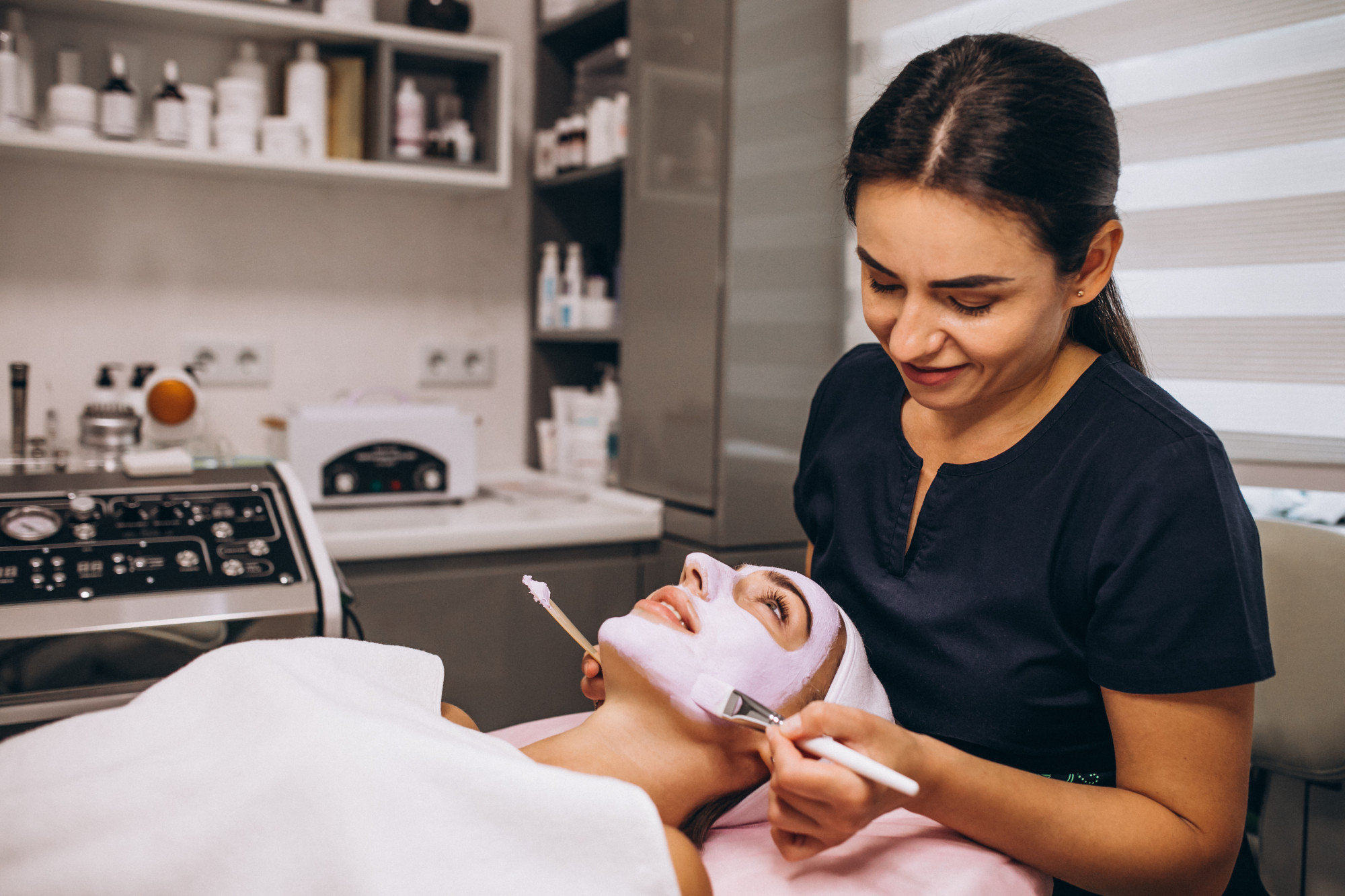
A peel is a timed application of a gentle acid on the face. It loosens dead cells, boosts turnover, and brings newer skin to the surface. Think of it like resetting a dull screen so the picture looks crisp again. For acne and oily skin, salicylic works well. For rough texture or tan lines, glycolic or lactic gives a smooth finish. For stubborn marks, I often prefer mandelic because it is kinder on brown skin. The choice is never random; I match the strength and type to your history, tone, and daily routine.
The results that matter to most people are simple. Fewer breakouts. Softer scars. Makeup that glides. A complexion that looks “rested” even on a busy week. None of this needs bed rest. You may feel mild warmth during the session and light dryness for two to three days. A soft moisturizer, gentle face wash, and strict sunscreen usually cover it. Peeling may be tiny flakes, not sheets of skin. If you have an event, I plan the date so you look your best on time.
Let me address the myths I hear the most. Peels do not thin the skin. Repeated sun damage thins skin; peels actually train it to renew better. Peels are not only for fair skin. Brown skin can do very well, provided we stay away from aggressive strengths and do not skip sun care. One more myth is that a single peel should erase every mark. Real skin heals in layers. A series, spaced a few weeks apart, gives steady progress without drama.
Side effects are possible when peels are bought online, done at a salon, or used without guidance. The usual trouble I treat is uneven lightening or rebound dark patches, called post-inflammatory pigmentation. I minimise this risk by doing a patch test when needed, choosing milder first sessions, and building up slowly. Your aftercare is just as important as the peel itself. No scrubs, no new actives, and no midday sun for a week.
If you are thinking about a peel, come in with your current products and a short skin diary. I will examine your skin, check for sensitivity, hormones, and lifestyle triggers, and then suggest a plan that fits your calendar and budget. The goal is healthy, comfortable, confident skin, not a overnight makeover. Done right, a peel is a clean, precise treatment that respects Indian skin and gives it room to shine again.
If you’re pregnant, nursing, on isotretinoin, or have an active rash, we’ll wait or choose a different treatment. Safety comes first, glow next. We can revisit when skin is stable.